

 By
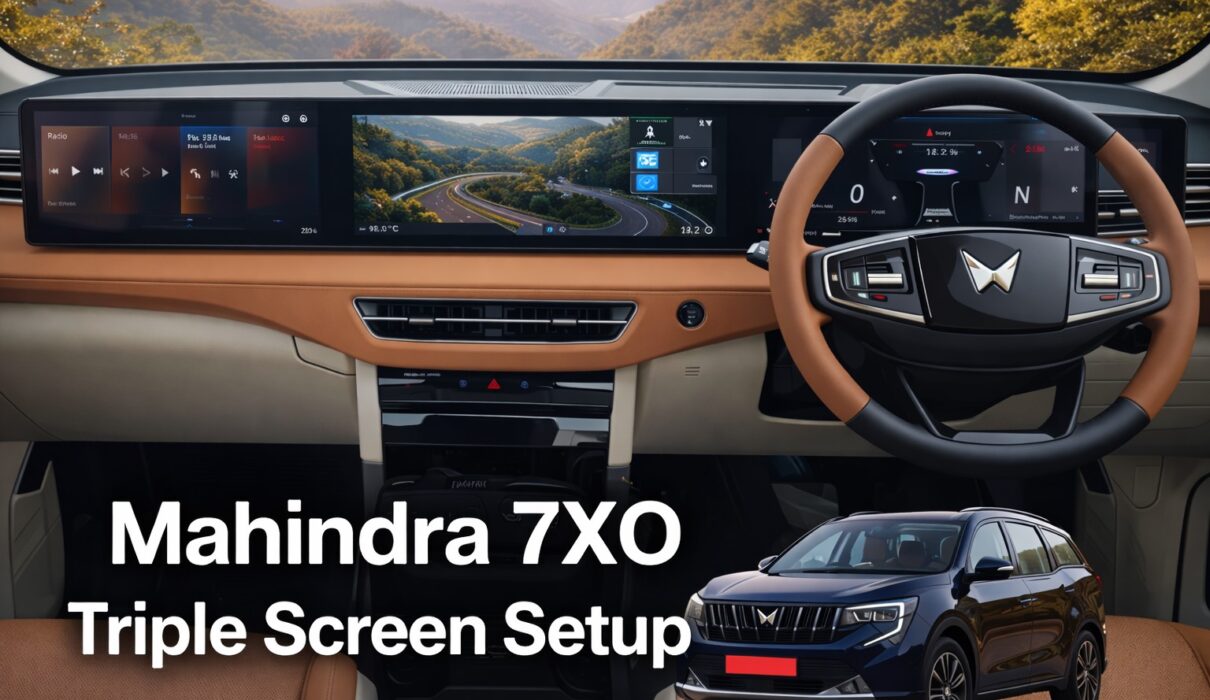
By The Mahindra XUV 7XO stands out in its segment with a triple-screen dashboard offered from Base variant itself, a first for a mass-market Indian SUV. While it looks futuristic, many buyers are asking a simple question — are all three screens actually useful? Let’s break it down
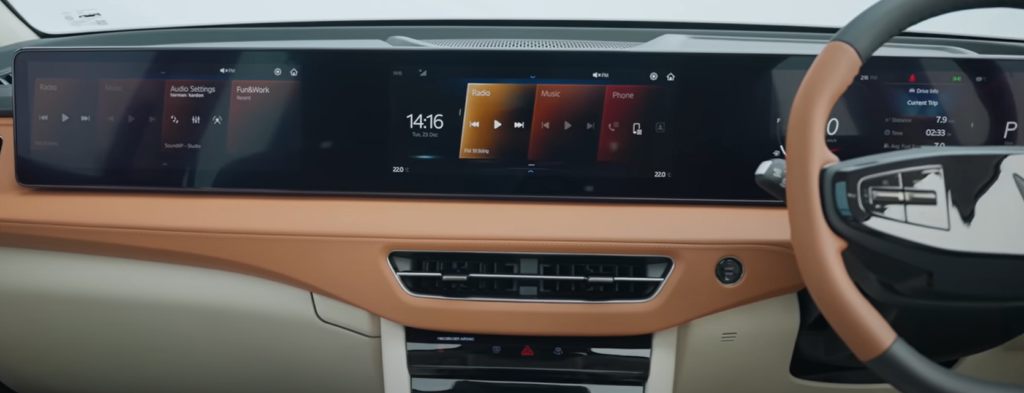
1st Screen – Driver Display (Instrument Cluster)
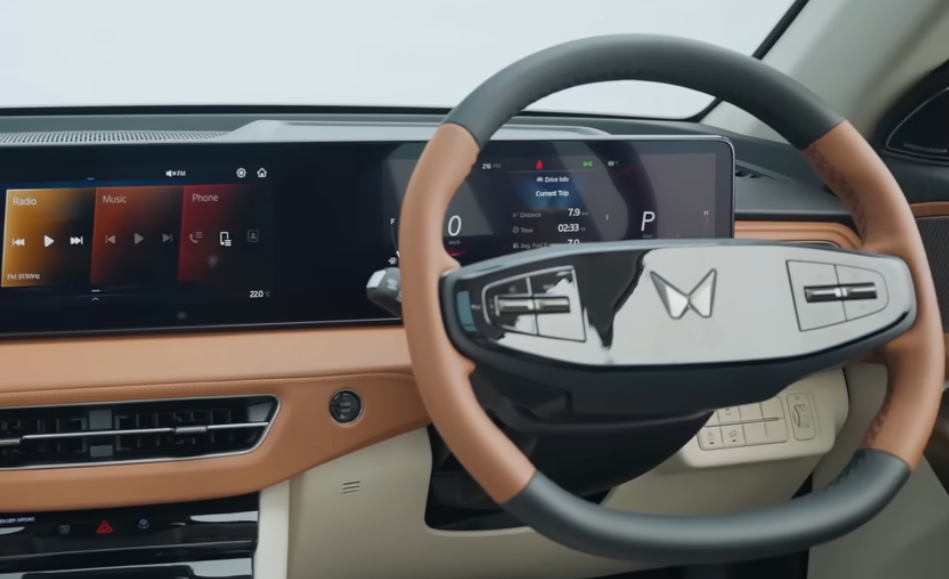
This screen sits right behind the steering wheel and replaces traditional dials.
What it does well:
- Speed, RPM, fuel and range info
- Navigation prompts right in front of the driver
- ADAS alerts and safety warnings
Highly useful. Reduces distraction and improves driving focus.
2nd Screen – Central Touchscreen (Infotainment)
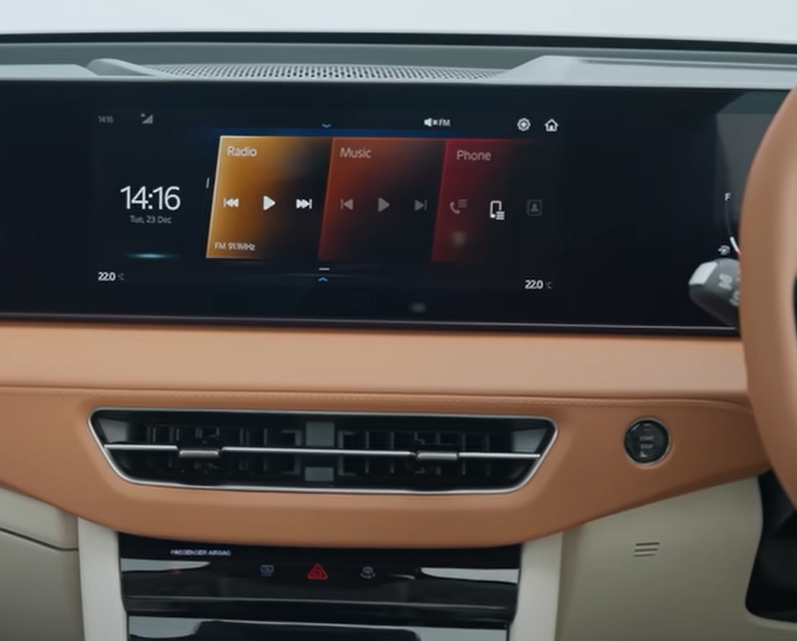
This is the main control hub of the car just like present in other modern cars although may not be connected with the Driver Display
Key functions:
- Apple CarPlay & Android Auto
- 360° / 540° camera view
- Climate control & vehicle settings
- Music, navigation and connected car tech
Essential. This screen genuinely enhances daily usability with host of features and information
3rd Passenger Screen – Innovation or Gimmick?
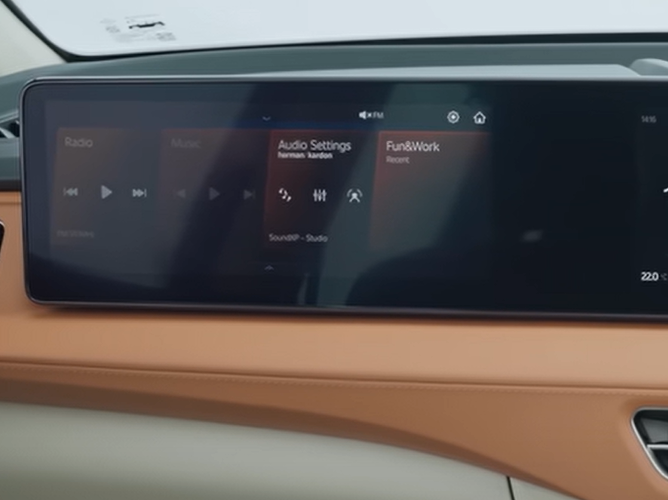
This is where opinions divide.
What it offers:
- Media control for the co-passenger
- Navigation input without disturbing the driver
- Information display during long drives
Limitations:
- Driver cannot see or use it
- Adds cost without adding core driving value
- Useful only when a tech-savvy passenger is present
- All what it offers can also be done at Central Touchscreen without much effort.
Verdict:
For most Indian buyers, the passenger screen is more of a premium add-on than a necessity. It looks impressive and adds a “wow factor”, but it won’t be a deal-breaker if removed. Mahindra’s triple-screen layout shows where the brand is headed – tech forward and futuristic. While the passenger display may feel like a show off today, it hints at how car interiors could evolve in the coming years and other manufacturer may follow soon.