





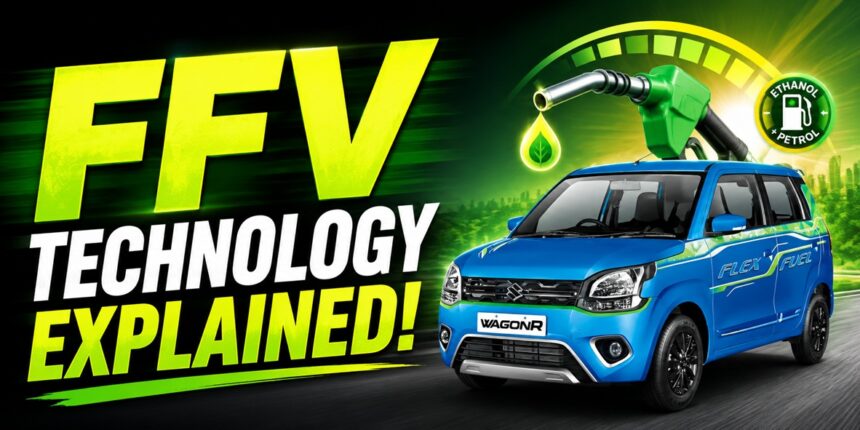
A New Type of Vehicle for a Cleaner Future
The automobile world is changing quickly, and one technology that is getting a lot of attention in India is the Flex Fuel Vehicle, often called an FFV. As fuel prices continue to rise and governments look for cleaner transportation options, flex-fuel technology is being seen as an important solution. Recently, several Indian manufacturers have showcased flex-fuel vehicles, and the government has also started promoting high-ethanol fuels such as E85. This has made many people curious about what a flex-fuel vehicle actually is and how it works.
A Flex Fuel Vehicle is a vehicle that can run on petrol, ethanol, or a mixture of both. Unlike a regular petrol car that is designed for limited ethanol blends, a flex-fuel vehicle can automatically adjust itself to different fuel combinations. This means a driver can fill the tank with petrol, E20, E85, or even higher ethanol blends depending on the vehicle’s capability and fuel availability.
What Is Ethanol?
Before understanding flex-fuel technology, it is important to know about ethanol. Ethanol is a type of alcohol made from plants such as sugarcane, corn, and other agricultural products. Since it comes from renewable sources, it is considered a cleaner fuel compared to petrol, which is made from crude oil. India has been increasing the use of ethanol in fuel to reduce dependence on imported oil and support local farmers.
You may have heard terms like E10, E20, or E85. The letter “E” stands for ethanol, while the number shows the percentage of ethanol in the fuel. For example, E20 contains 20 percent ethanol and 80 percent petrol, while E85 contains 85 percent ethanol and 15 percent petrol.
How Does a Flex Fuel Vehicle Work?
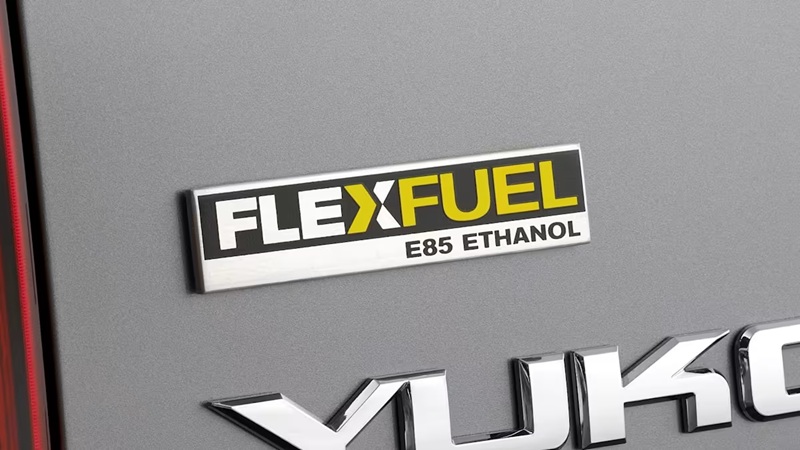
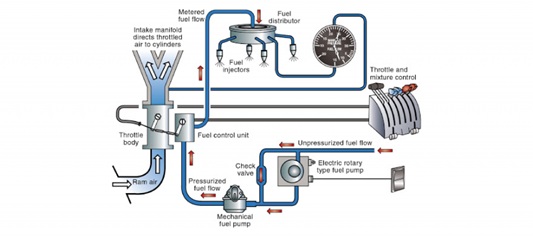
A flex-fuel vehicle looks almost the same as a normal petrol vehicle from the outside. The real difference is inside the engine and fuel system. These vehicles use special fuel lines, injectors, sensors, and engine components that can handle higher ethanol content without damage.
The most important part is the sensor system. The vehicle constantly checks how much ethanol and petrol are present in the fuel tank. Once it knows the fuel mixture, the engine’s computer, called the Engine Control Unit (ECU), automatically adjusts fuel injection, ignition timing, and air-fuel ratios. This process happens instantly, and the driver does not need to press any button or make any changes.
Think of it like a smart chef. If the ingredients change slightly, the chef automatically adjusts the recipe to make sure the food still tastes great. In the same way, the vehicle adjusts itself to keep running smoothly regardless of the fuel blend being used.
Why Are Flex Fuel Vehicles Important?
One of the biggest reasons flex-fuel vehicles are becoming popular is that they can reduce dependence on imported crude oil. India spends a huge amount of money importing fuel from other countries. By increasing ethanol usage, more fuel can be produced within the country itself.
Flex-fuel vehicles can also help reduce carbon emissions. Since ethanol comes from plant-based sources, it is considered a renewable fuel. Using more ethanol can lower the environmental impact of transportation and help make the air cleaner.
Another advantage is fuel cost. Recently, India launched E85 fuel, which is expected to be cheaper than conventional petrol. This could help drivers save money in the future, especially as ethanol production increases across the country.
Are There Any Disadvantages?
Like every technology, flex-fuel vehicles also have some challenges. Ethanol contains less energy than petrol, which means vehicles may consume slightly more fuel when running on high-ethanol blends. In simple words, mileage can be lower compared to running on pure petrol.
Another challenge is fuel availability. While India is rapidly expanding ethanol fuel infrastructure, high-ethanol fuels such as E85 are still not available at every fuel station. However, the government plans to significantly increase the number of ethanol pumps in the coming years.
The Future of Flex Fuel Vehicles in India
The future of flex-fuel technology in India looks promising. Major manufacturers have already started introducing flex-fuel models, while the government is actively supporting ethanol-based mobility. Recent launches of flex-fuel cars and motorcycles show that the industry is moving toward cleaner and more flexible fuel options.
As more ethanol pumps are installed and more flex-fuel vehicles reach showrooms, Indian buyers will have another choice alongside petrol, CNG, hybrid, and electric vehicles. This technology may not completely replace traditional fuels overnight, but it can play an important role in making transportation cleaner, more affordable, and less dependent on imported oil.
Final Thoughts
A Flex Fuel Vehicle is a smart automobile that can run on petrol, ethanol, or a combination of both. By using special sensors and engine technology, it automatically adapts to different fuel blends without any effort from the driver. With lower emissions, support for local agriculture, and the potential for lower fuel costs, flex-fuel technology is becoming an exciting part of India’s automotive future. As the country continues to expand ethanol fuel availability, these vehicles could become a common sight on Indian roads in the years ahead.