






Tata Motors Creates History in India
Tata Motors has achieved a major milestone in India’s electric vehicle (EV) industry. For the first time, the company sold more than 10,000 electric vehicles in a single month. In May 2026, Tata Motors sold 10,231 electric cars, making it the highest-selling EV company in India once again.
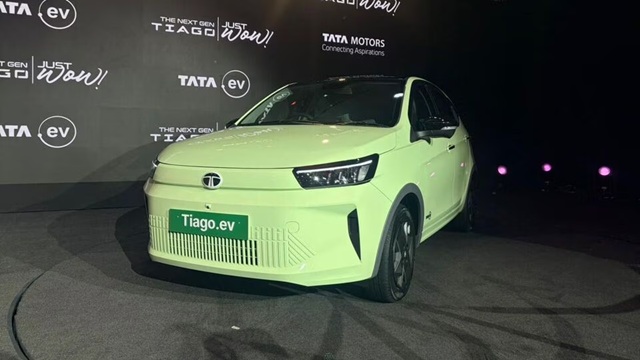
This achievement is important because it shows that more people in India are choosing electric vehicles instead of petrol and diesel cars. It also proves that Tata Motors is leading the electric car revolution in the country.
What Does This Record Mean?
Selling more than 10,000 EVs in one month is a huge success. Just one year ago, Tata Motors sold around 5,068 electric vehicles in May 2025. This means the company’s EV sales have grown by more than 100 percent in one year.
The record was achieved during a time when fuel prices increased several times. As petrol, diesel, and CNG became `more expensive, many customers started looking for cheaper and cleaner transportation options. Electric cars became a smart choice because they cost less to run and help reduce pollution.
Why Are More People Buying Tata EVs?
There are many reasons behind Tata’s strong EV sales.
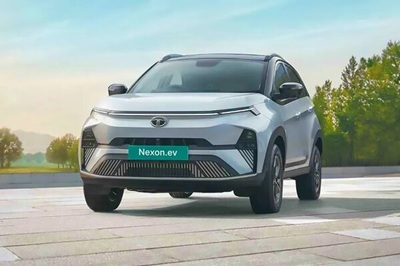
First, Tata offers electric cars in different price ranges. Customers can choose a small city car, a family SUV, or a stylish coupe SUV depending on their needs.Second, Tata has expanded its charging network across India. This makes it easier for EV owners to charge their cars during long trips.Third, people are becoming more aware of environmental issues. Electric vehicles do not produce harmful exhaust gases, making them better for the environment.
Finally, rising fuel prices have encouraged buyers to switch from petrol and diesel vehicles to electric ones.
Tata’s Popular Electric Cars
Tata Motors currently has one of the largest EV portfolios in India. Some of its popular electric vehicles include:
- Tata Nexon EV
- Tata Punch EV
- Tata Tiago EV
- Tata Tigor EV
- Tata Curvv EV
- Tata Harrier EV
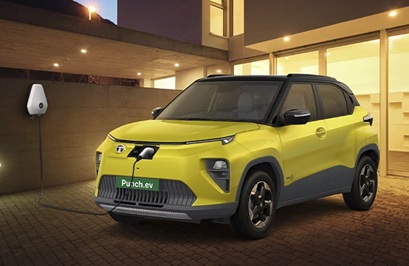
Among these models, the Nexon EV continues to be one of the company’s best-selling electric vehicles. The recently updated Tiago EV and Punch EV have also attracted many buyers because they offer affordable electric mobility.
Quick Specification Table of Popular Tata EVs
| Model | Battery Pack | Approx Range | Vehicle Type |
| Tata Tiago EV | 19.2 kWh / 24 kWh | 226 km – 285 km | Hatchback |
| Tata Tigor EV | 26 kWh | Around 315 km | Sedan |
| Tata Punch EV | Up to 35 kWh | Up to 421 km | Compact SUV |
| Tata Nexon EV | Up to 45 kWh | Up to 489 km | SUV |
| Tata Curvv EV | Up to 55 kWh | Around 585 km | Coupe SUV |
| Tata Harrier EV | Large Battery Pack | Around 500 km+ | Premium SUV |
Ranges may vary depending on driving conditions and model variants.
Tata’s Strong Position in the EV Market
India’s electric passenger vehicle market is growing rapidly. In May 2026, total EV sales in the country crossed 26,000 units, the highest monthly figure ever recorded.
Out of these sales, Tata Motors alone contributed more than 10,000 units. This gave the company nearly 39 percent market share, keeping it ahead of competitors such as Mahindra, MG Motor, Maruti Suzuki, BYD, Hyundai, and Kia.
Although competition is increasing, Tata remains the market leader because it entered the EV segment early and continues to launch new products.
Competition Is Becoming Stronger
Even though Tata is leading, other companies are growing quickly.
Mahindra sold more than 6,000 EVs in May 2026 and achieved its best-ever monthly sales. MG Motor also remained a strong player with nearly 5,000 EV sales. Maruti Suzuki’s first electric vehicle has also started gaining attention.New companies such as VinFast and global brands like Tesla are entering the Indian market as well. This means Tata will face tougher competition in the coming years.
What This Means for India
Tata’s achievement is not just good news for the company. It is also a positive sign for India’s clean mobility future.
The Indian government wants more people to use electric vehicles to reduce fuel imports and lower pollution levels. As EV sales grow, cities can become cleaner and dependence on fossil fuels can decrease.The success of Tata Motors shows that Indian customers are becoming more confident about electric vehicles. Better charging facilities, longer driving ranges, and lower running costs are helping EVs become a practical choice for everyday use.
Conclusion
Tata Motors has made history by crossing the 10,000 EV sales mark in a single month. With 10,231 electric vehicles sold in May 2026, the company has strengthened its position as India’s leading EV manufacturer.
Strong demand, rising fuel prices, improved technology, and a wide range of electric vehicles have all contributed to this success. While competition from companies like Mahindra, MG Motor, Maruti Suzuki, and Tesla is increasing, Tata remains at the forefront of India’s electric vehicle revolution.
This achievement shows that the future of transportation in India is becoming more electric, cleaner, and smarter. As more people choose EVs, Tata Motors is likely to continue playing a major role in shaping that future.