






BYD Atto 3 Price Drop Explained: Why This Premium EV Is Now ₹9 Lakh Cheaper
The BYD Atto 3 has become much more affordable in India. Just a short while ago, this premium electric SUV was seen as an expensive option, but now its starting price has dropped significantly. The good news is that the car itself is still packed with features, comfort, and modern EV technology. So, what changed? Why is BYD suddenly offering the Atto 3 at a lower price?
Let’s understand the full story in simple words.
BYD Atto 3 Now Starts at a Much Lower Price
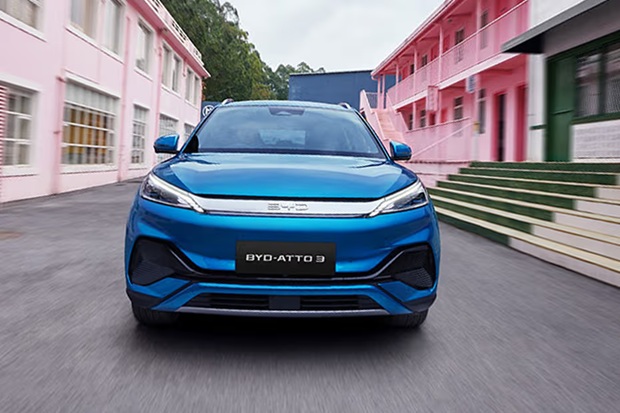
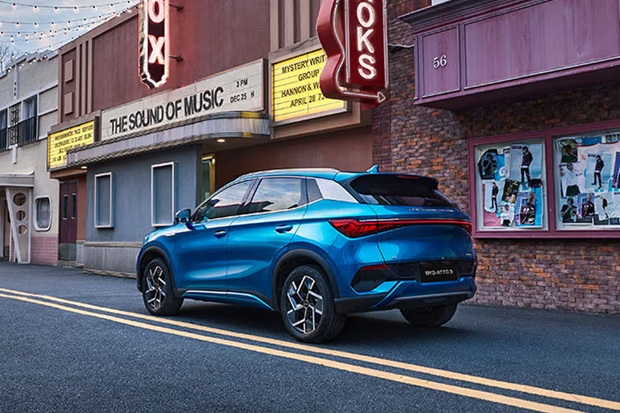
When the BYD Atto 3 was first launched in India, it was available only in one fully loaded version and was priced around ₹33.99 lakh (ex-showroom). That made it difficult for many buyers to consider, even though the car offered excellent range and premium features.Now, BYD has introduced new variants, and the entry-level Dynamic variant starts at ₹24.99 lakh, making the SUV almost ₹9 lakh cheaper than before.
The Biggest Reason: A New Base Variant
The main reason behind the price drop is simple—BYD has launched a more affordable base model.
Earlier, buyers had only one expensive option with all premium features. Now, the company offers three variants: Dynamic, Premium, and Superior. The Dynamic version removes some luxury features, which helps lower the price.For example, the cheaper variant misses a few things like adaptive LED lights, a powered tailgate, and some premium cabin extras. But it still keeps the important features like the large touchscreen, safety equipment, and BYD’s famous Blade Battery technology.
This strategy allows BYD to attract more buyers without changing the core quality of the vehicle.
Smaller Battery now Available in Lower Variant
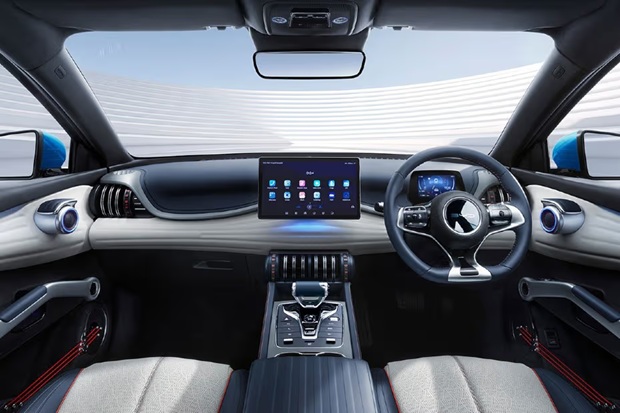
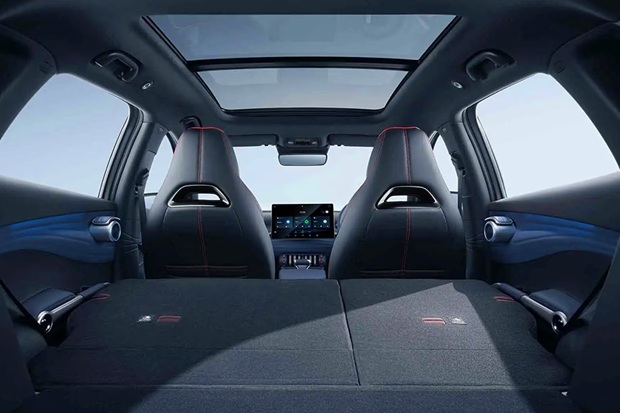
Another big reason for the lower price is the battery size.
The new Dynamic variant gets a 49.92 kWh battery, while the more expensive Premium and Superior variants continue with the larger 60.48 kWh battery.
A smaller battery naturally costs less to manufacture, and BYD is passing that savings to customers.Even with the smaller battery, the Atto 3 still offers a claimed range of 468 km, which is enough for most daily city driving and even weekend trips. The bigger battery versions offer up to 521 km range.
Growing Competition in India’s EV Market
India’s electric SUV market is becoming crowded. Brands like Tata, Mahindra, Hyundai, and MG are launching new EVs quickly. This has increased competition, and companies must price their cars more carefully.BYD likely realized that the Atto 3 was priced too high compared to rivals. By lowering the entry price, it can compete better and attract more buyers.Many buyers love the Atto 3 for its premium cabin, comfort, and smooth driving experience, but earlier they hesitated because of the price. The lower pricing makes the SUV much more appealing now.
BYD Wants More Buyers in India
BYD is one of the world’s biggest electric car makers, and India is an important market for the company. To grow faster here, BYD needs more cars on the road. Lowering the price is a smart way to build trust and improve visibility.Instead of selling only premium expensive EVs, the company is now trying to reach middle-class buyers who want premium technology but at a more reasonable cost. This pricing move could help BYD become a bigger player in India’s EV market.
Is the Atto 3 Still Worth Buying?
Even after the price cut, the BYD Atto 3 remains a premium electric SUV. It still offers a stylish design, a rotating touchscreen, panoramic sunroof, ADAS safety features in higher variants, and BYD’s reliable Blade Battery technology.
The lower price simply makes it easier to buy.For anyone looking for a premium electric SUV with good range and modern features, the Atto 3 now looks like a much stronger value-for-money option.
Final Thoughts
The BYD Atto 3 became more affordable mainly because BYD introduced a cheaper base variant, reduced battery size in the entry model, and adjusted pricing to compete better in India’s growing EV market.
It’s not that the car has become “cheap”—it has simply become smarter to buy this New Varient.