




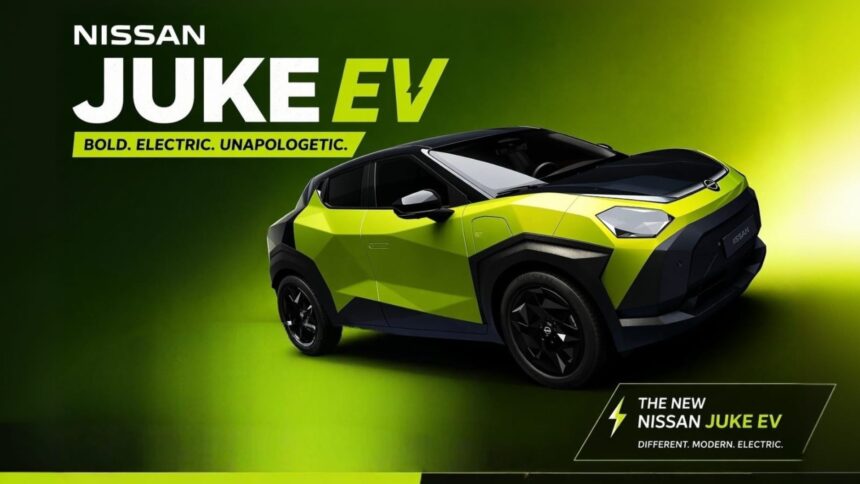
Since its debut in 2010, the Juke has always been known for its quirky styling and youthful appeal. Now, with the third-generation model going fully electric, Nissan marks a significant turning point for one of the most unconventional compact SUVs ever made.
Unveiled at Nissan’s global Vision event, the new Juke EV signals the brand’s aggressive push toward electrification. It will officially launch in global markets, particularly Europe, by spring 2027, joining a growing family of electric vehicles alongside models like the Nissan Leaf and Nissan Ariya.
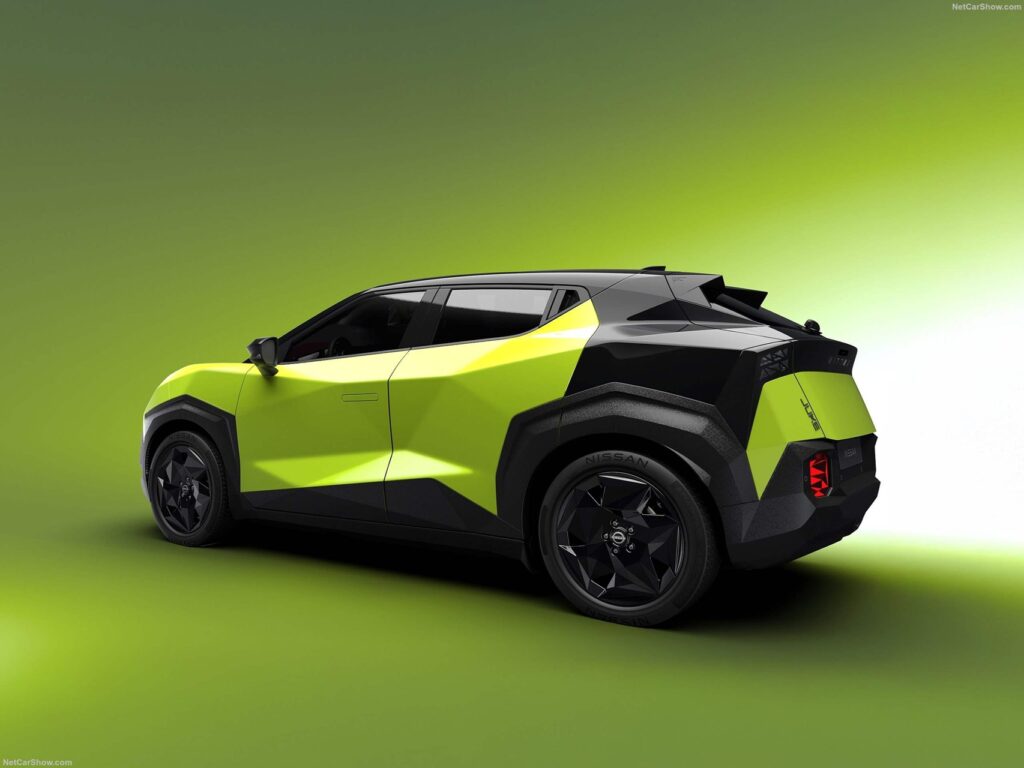
Design: Angular and Futuristic
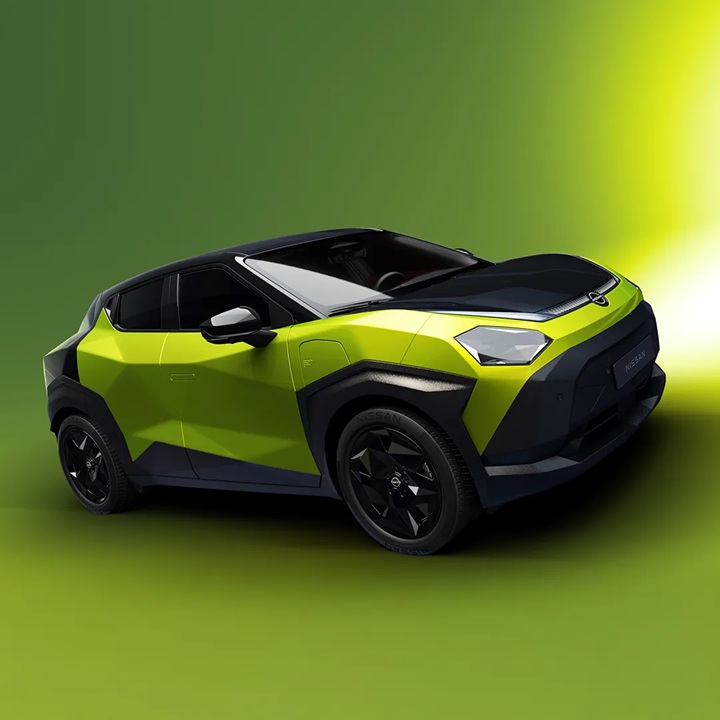
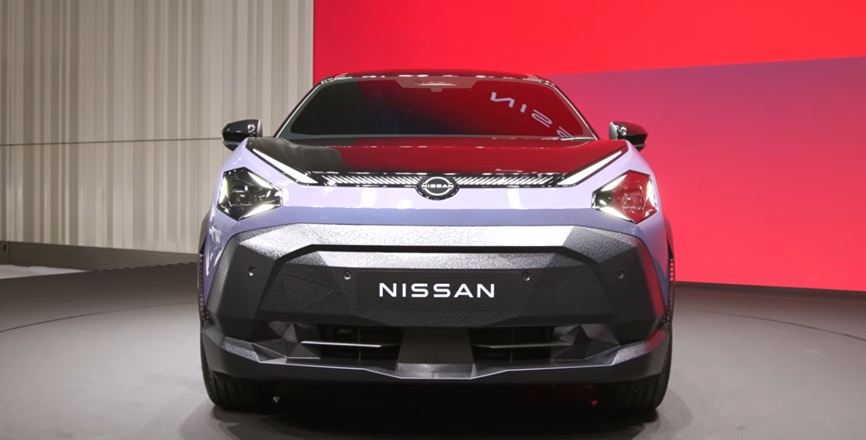
The Juke has never been a car for the conservative buyer, and the EV version continues that legacy. In fact, it takes things even further. Inspired by Nissan’s Hyper Punk concept, the new model features sharp creases, angular body panels, and a more sculpted, almost concept-like silhouette.
Other vital elements such as split headlamps, hidden rear door handles, and a coupe-like roofline remain, but everything looks more aggressive and futuristic. The bold styling is intentional and it ensures the Juke stands out in a compact EV segment where many designs are becoming increasingly similar.
Platform and Engineering
Underneath the striking exterior, the Juke EV is built on the Renault-Nissan Alliance’s CMF-EV platform, which it shares with larger electric models. This architecture is designed specifically for EVs, allowing better battery packaging, improved weight distribution, and enhanced cabin space.
Interestingly, Nissan plans to sell the new electric Juke alongside the existing hybrid model, giving buyers a choice between Hybrid and EV rather than forcing a complete transition.
Performance and Range Expectations
While Nissan has not officially released full specifications yet, early reports and platform-sharing clues give us a good idea of what to expect. The Juke EV is likely to borrow battery options from the latest Leaf, including 52 kWh and 75 kWh packs.
Range estimates vary depending on configuration, but expectations suggest around 250 to 350 miles (400–560 km) on a single charge for higher variants, which would make it highly competitive in its class.
Fast charging is expected to support up to 100 kW DC, allowing a 15–80% charge in roughly 30 minutes, making it practical for both urban and highway use.
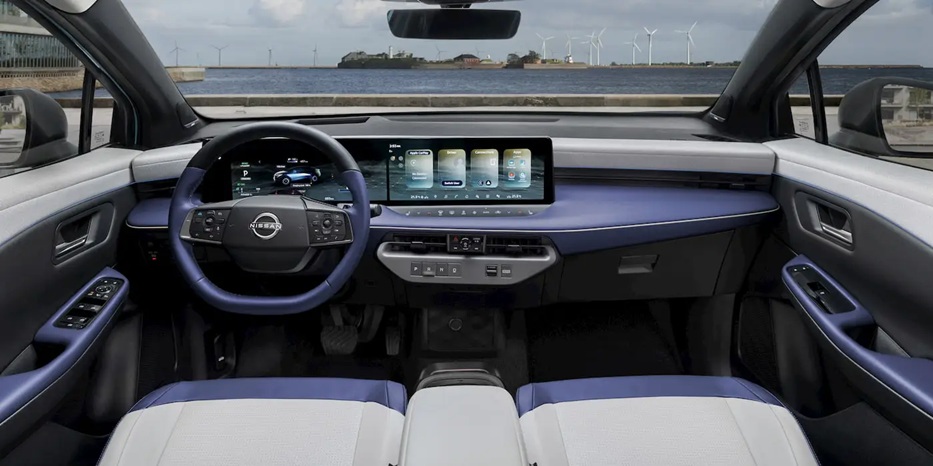
Interior and Technology
Although Nissan has yet to reveal the full interior, it’s safe to expect a major leap in technology. The Juke EV will likely feature a digital cockpit, large infotainment screens, and advanced connectivity features. Given Nissan’s recent strategy, the vehicle could also incorporate AI-based driver assistance and semi-autonomous systems under its ProPILOT suite, aligning with the company’s plan to integrate advanced tech across its lineup.
| Specification | Nissan Juke EV (Expected) |
| Platform | CMF-EV |
| Battery Options | 52 kWh / 75 kWh |
| Range | 400–560 km (approx.) |
| Charging | 100 kW DC fast charging |
| Drivetrain | FWD (AWD possible later) |
| Launch | Spring 2027 |
| Segment | Compact Electric SUV |
Driving Position and Market Relevance
The Juke EV will sit below the Ariya in Nissan’s electric lineup, targeting urban buyers who want a compact, stylish, and efficient crossover. It continues to appeal to younger buyers who value design as much as practicality.
Final Thoughts
The Nissan Juke EV is more than just an electrified version of an existing model—it’s a statement. It shows that even in an era dominated by efficiency and aerodynamics, there’s still room for creativity and individuality. If Nissan can deliver competitive range, pricing, and technology to match its striking design, the Juke EV could once again become a trendsetter in the compact SUV space