




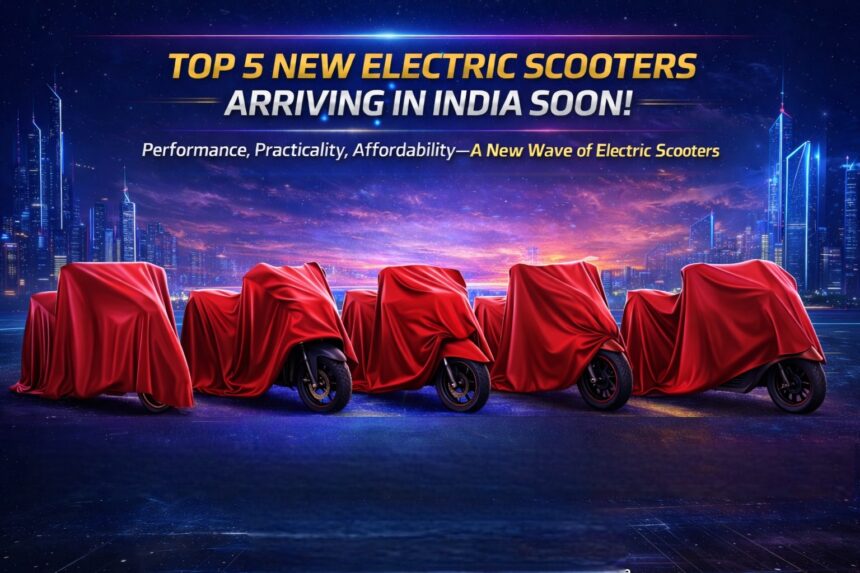
The Indian EV market is quickly maturing and instead of forcing buyers into one category, it now offers choices tailored to different requirements and choices. And that’s exactly what will drive the next phase of EV adoption in India. Here in this article we will be looking at top 5 EV launches in the 2 wheeler segment.
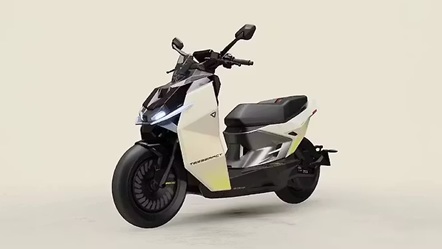
Ultraviolette Tesseract: The Tech-Heavy EV
The Ultraviolette Tesseract is easily one of the most advanced electric scooters to be showcased in India. Built by a brand known for performance machines, this scooter brings a completely different level of technology into the segment.
It produces around 20 bhp (14.9 kW) and can hit a top speed of 125 km/h, making it one of the fastest electric scooters in India. It also offers a claimed range of up to 162 km (and higher with bigger battery packs).
What truly sets it apart is its feature list. You get radar-based safety tech, blind spot detection, collision alerts, dashcams, and even lane assist, features rarely seen even in cars.In simple terms, the Tesseract feels like a glimpse into the future of two-wheelers—fast, intelligent, and packed with innovation.
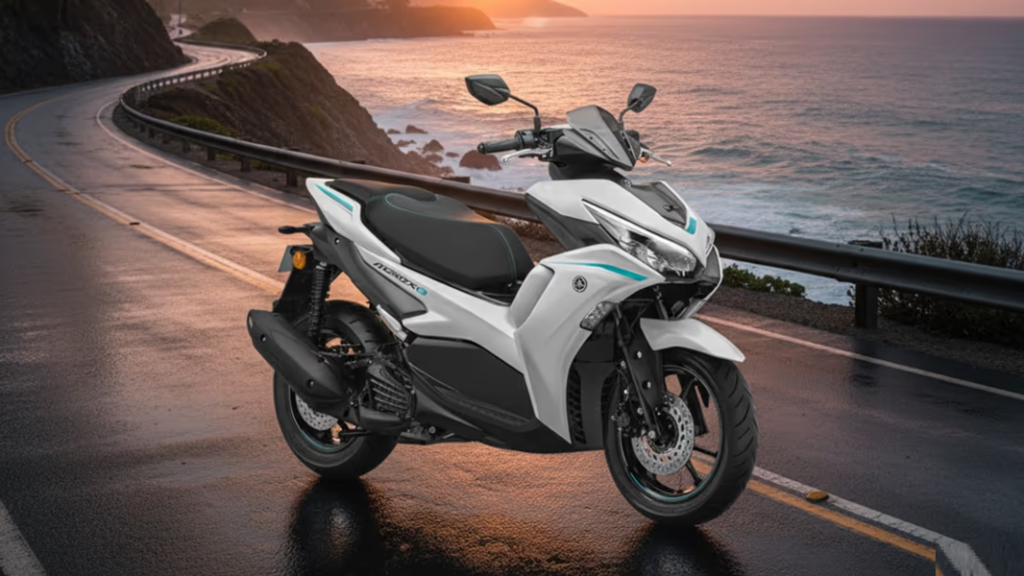
Yamaha Aerox-E: Sporty DNA Goes Electric
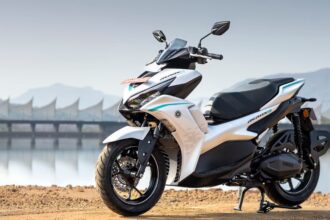
The Yamaha Aerox-E is expected to carry forward the aggressive character of the petrol-powered Aerox and this one focuses more on performance and sporty styling.
It is likely to feature a powerful electric motor setup, strong acceleration, and sharp handling. Yamaha is expected to include ride modes, connectivity features, and a premium display setup, making it appealing to younger riders.
The Aerox-E due to its unique styling is not meant to be the most practical scooter but fore those who want their daily ride to feel exciting.
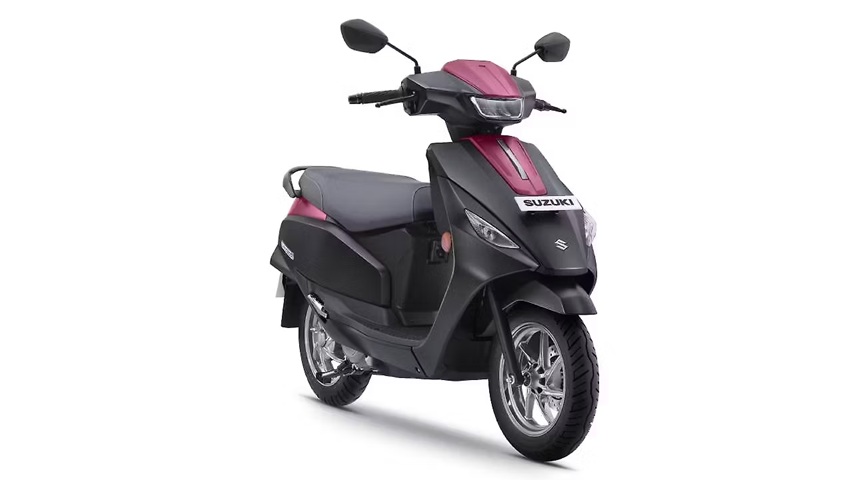
Suzuki e-Access: Reliable and Practical
The Suzuki e-Access takes a completely different approach. It focuses on practicality, ease of use, and everyday reliability—something Suzuki has always been known for.
The scooter produces around 4.1 kW of power and offers a range of roughly 95 km, making it suitable for daily city commuting.
It also features multiple riding modes and a fixed battery setup, with charging time of around 6 hours.
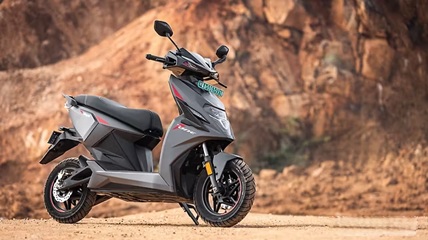
Simple Energy Family Scooter: Comfort Meets Range
After focusing on performance with the Simple One, Simple Energy is now expected to enter the family scooter space with a more practical offering.
The upcoming Simple Energy Family Scooter is likely to prioritize:
- Comfortable seating
- Large storage space
- Long range (possibly 150–200 km claimed)
- Smart connectivity features
This scooter is expected to target buyers who want modern features without compromising on usability. If priced correctly, it could become a strong rival to scooters like the TVS iQube and Ather Rizta.
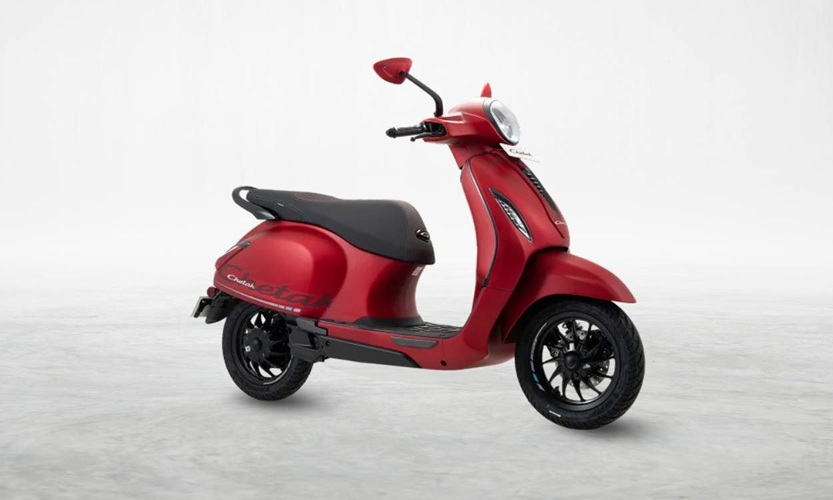
Bajaj Chetak (New Variant): Affordable Evolution
The Bajaj Chetak has already established itself as a premium electric scooter, but the new variants—like the recently introduced affordable models—are aimed at making EVs more accessible.
Recent updates include entry-level versions priced aggressively, targeting budget-conscious buyers.
These new variants focus on Lower price point, Decent city range, Proven reliability, Metal body and solid build quality.
Bajaj’s strategy is clear—expand the Chetak lineup to cover both premium and entry-level buyers, making it a complete EV family.
| Model | Power Output | Battery | Range (Claimed) | Key Focus |
| Ultraviolette Tesseract | 14.9 kW | 3.5–6 kWh | 162–261 km | Performance + Tech |
| Yamaha Aerox-E | High | 3–4 kWh* | 100–120 km* | Sporty riding |
| Suzuki e-Access | 4.1 kW | 3.07 kWh | 95 km | Practical commuting |
| Simple Energy Family | — | 4–5 kWh* | 150–200 km* | Family comfort |
| Bajaj Chetak (New) | — | 3 kWh* | 100–130 km* | Affordable reliability |
Competition in the Segment
These scooters will compete with established players like:
- Ather 450X
- TVS iQube
- Ola S1 Pro
- Ather Rizta
The competition is now divided into clear categories—performance EVs, family scooters, and budget options—which makes it easier for buyers to choose